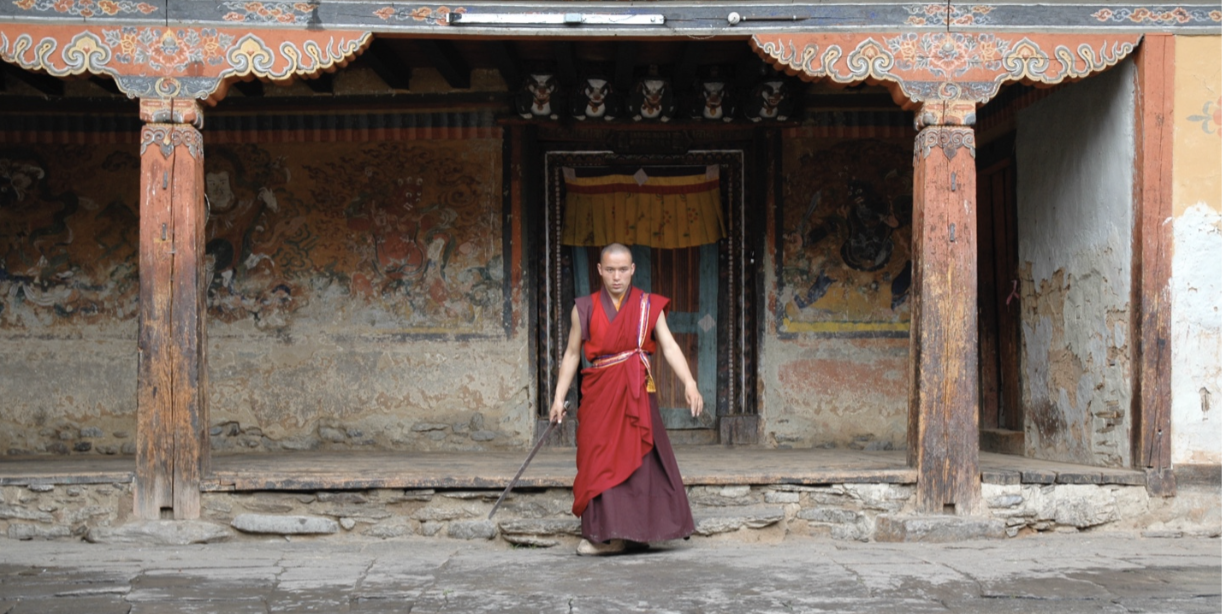
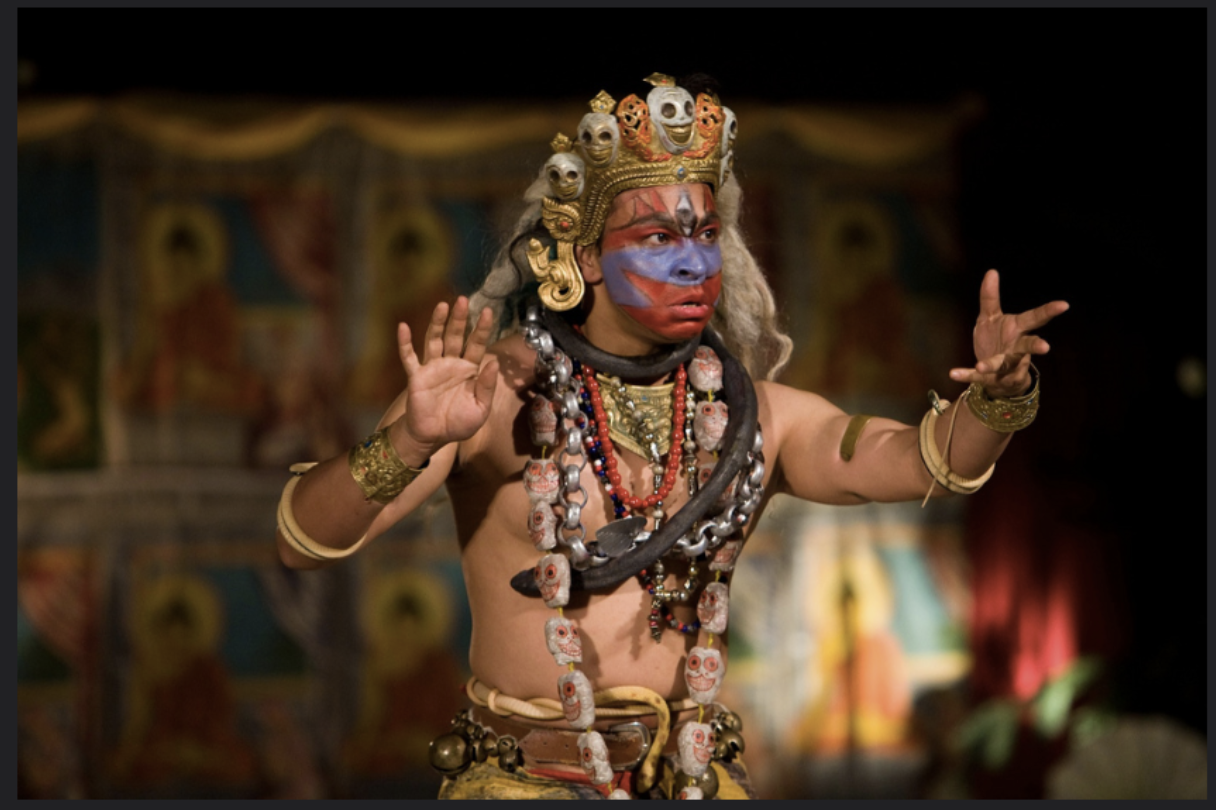
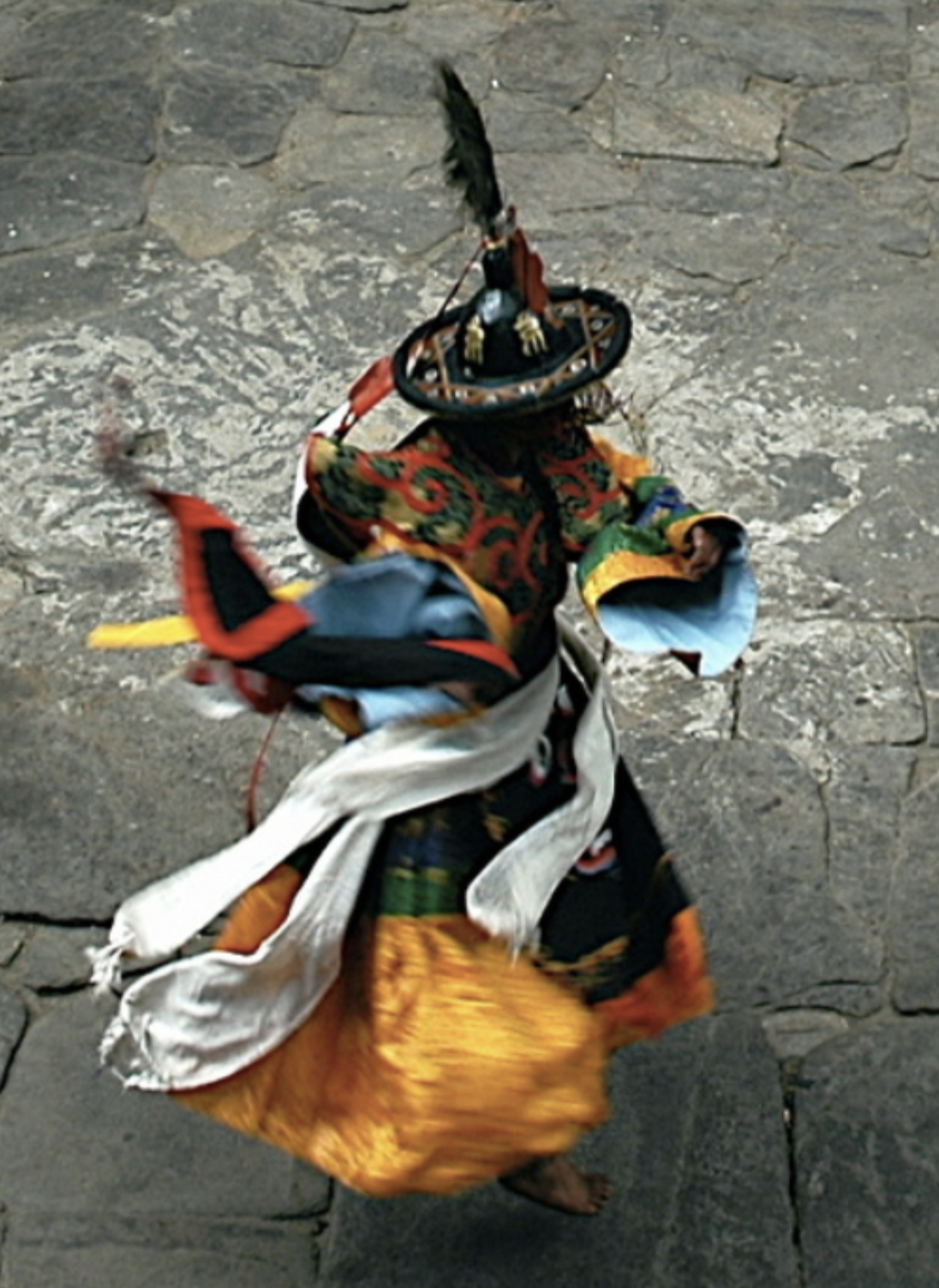
Peling Dri Cham, Sword Dance, Tamzhing Monastery, Bhutan

Buddhist Dances, Movement & Mind
A five-week online course offered by Yangchenma Arts & Culture
Led by Joseph Houseal,
Director of Core of Culture and author of Buddhist Dances, Movement & Mind
With guest experts Fujima Kanso-o, Dr. Thinles Dorje, Prajwal Vajracharya, Karen Greenspan, John Houseal, and Sujan Shrestha
TUESDAYS
October 6, 13, 20, 27 & November 3 2026
3 - 4:30pm Los Angeles/ Pacific Time
5 - 6:30pm Chicago/ Central Time
6 - 7:30 New York/ Eastern Time
What happens when we approach Buddhism through movement?
We usually encounter Buddhism through teachings, texts, meditation, philosophy, and sacred art. Yet across Buddhist cultures, movement and dance have also been powerful means of transmitting knowledge, transforming consciousness, embodying deities, preserving memory, and enacting Buddhist ideas.
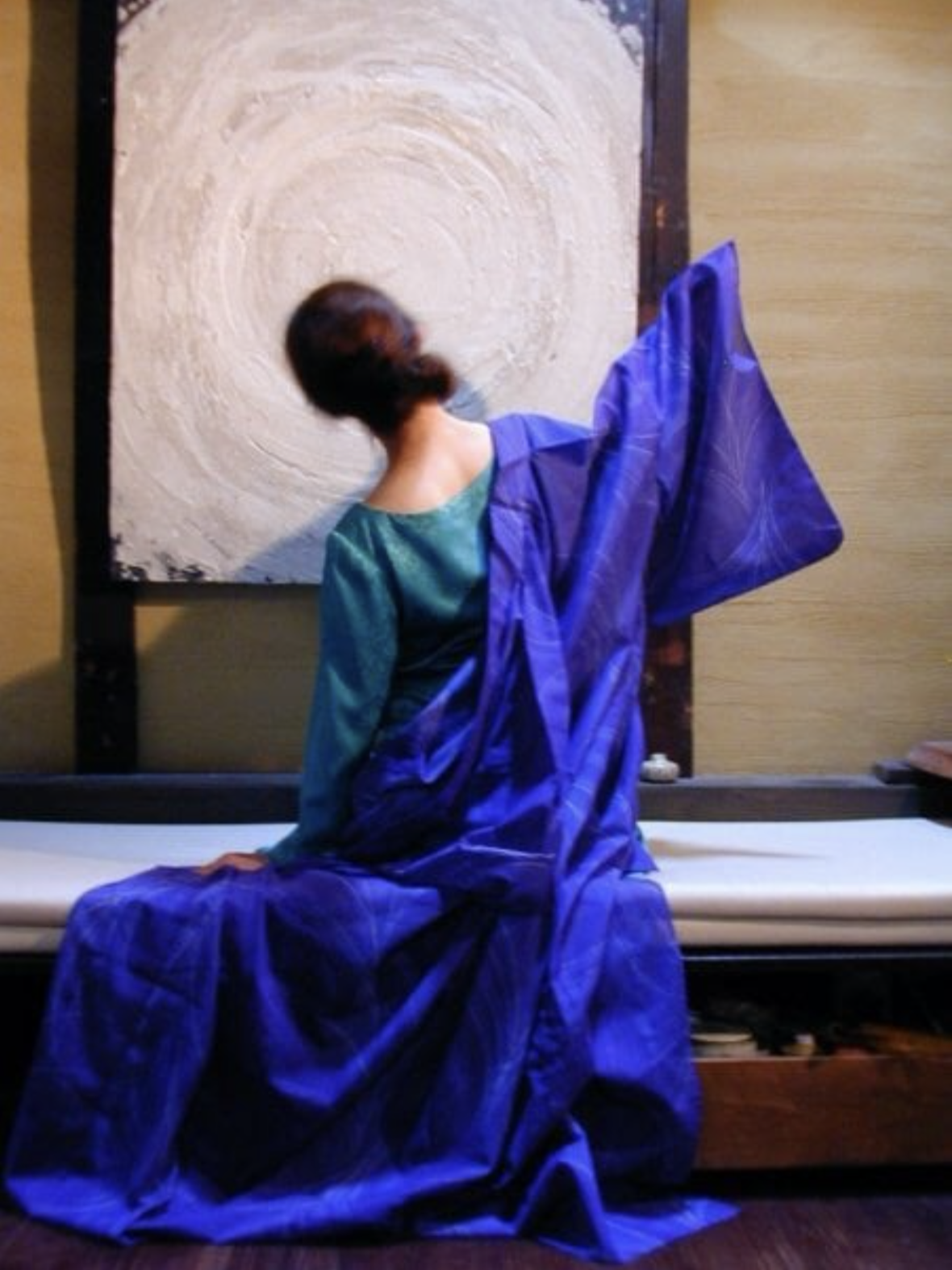
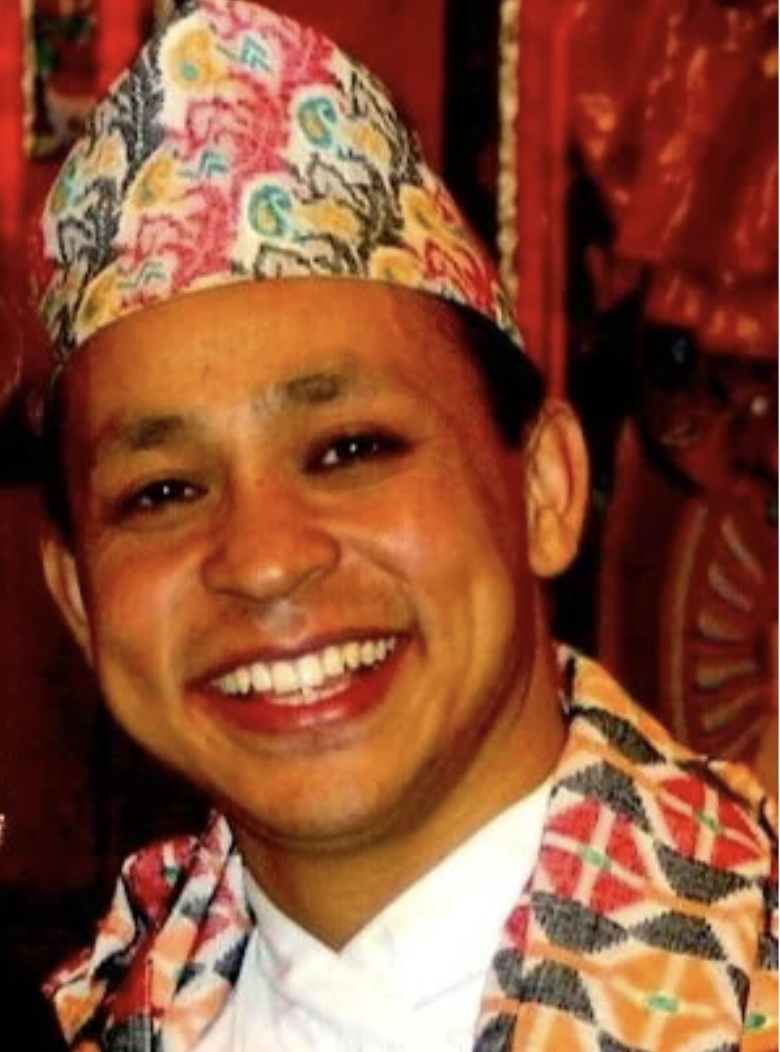
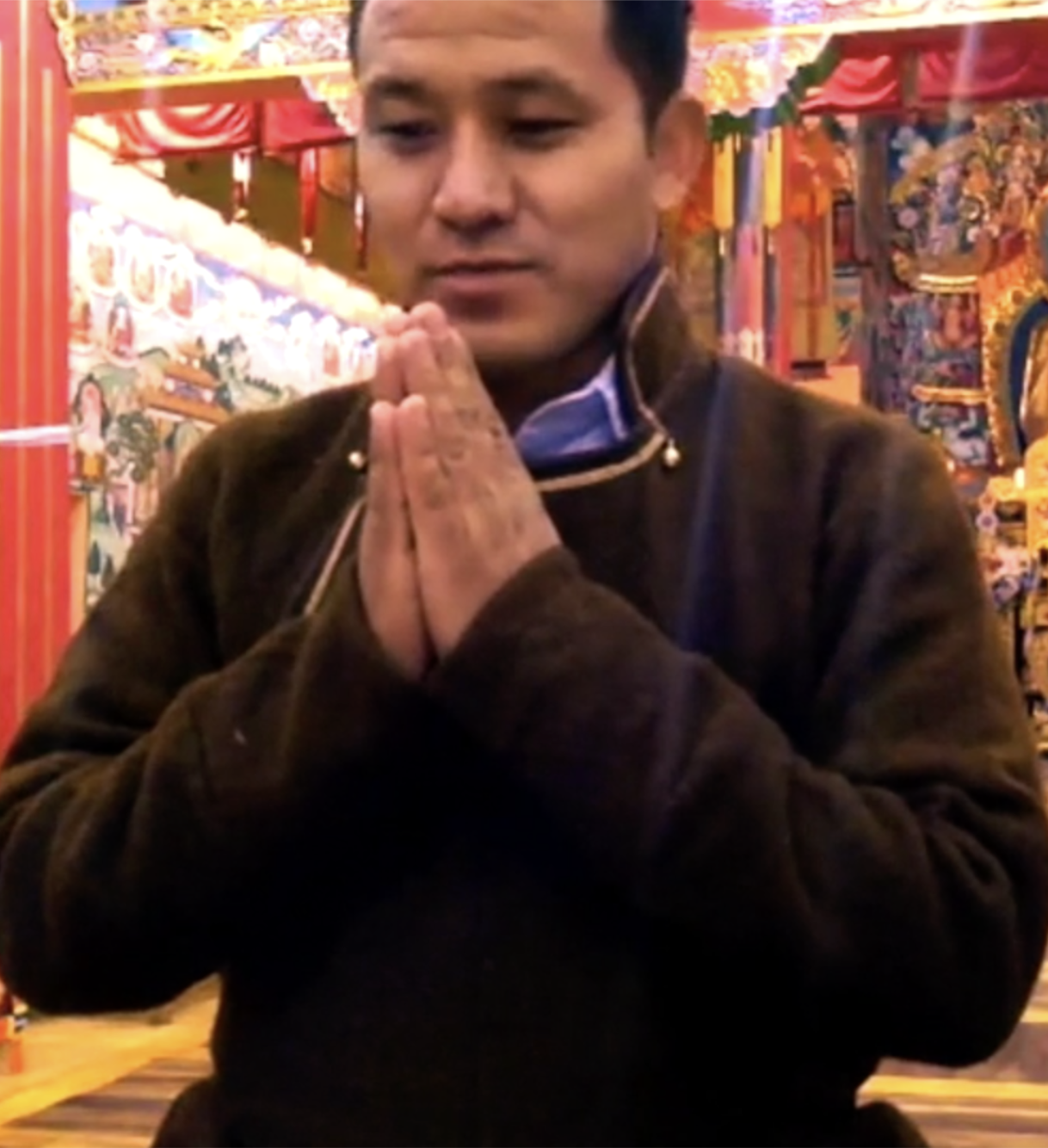
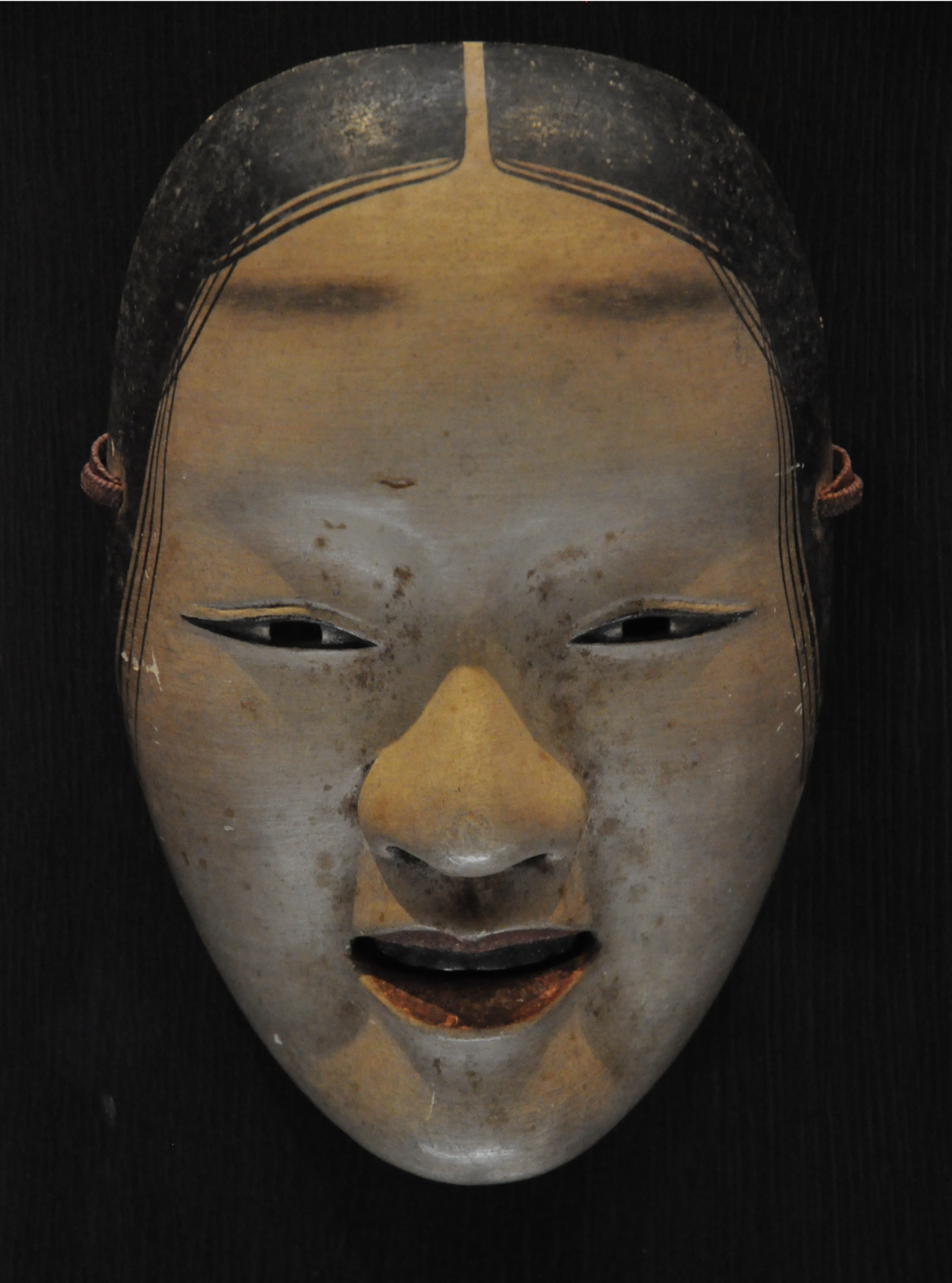
In this five-week course, dance researcher, writer, producer, and cultural preservationist Joseph Houseal draws upon forty years of work with ancient and Asian dance traditions and his new book, Buddhist Dances, Movement & Mind, to explore five remarkably different Buddhist movement traditions: Japan, India, Nepal, Bhutan, and Sri Lanka.
Each week will open a different cultural world. Through film, photographs, movement analysis, stories from the field, discussion, and conversations with guest experts, we will look closely at what these dances do—not only what they look like.
The course will also explore the book’s innovative GIS maps, created by John Houseal and Sujan Shrestha from cultural data sets assembled for each chapter. These maps offer a new way of seeing Buddhist dance: locating traditions in relation to geography, cultural transmission, pilgrimage, history, and one another. John Houseal and Sujan Shrestha will join the course as guest speakers to introduce this innovative dimension of the book.
How does movement become meditation? How can the dancing body embody a deity, transmit a teaching, preserve an ancient lineage, or alter states of mind? And what might these traditions reveal about the nature of dance itself?
No previous knowledge of Buddhism or dance is necessary. The course will be of particular interest to practitioners of contemplative, movement, healing, artistic, and embodied traditions, as well as anyone curious about the relationship between movement and mind.
The course follows the first five chapters of Buddhist Dances, Movement & Mind. A companion course in Spring 2027 will explore the remaining five chapters: China, Mongolia, Tibet, England, and the United States.
THE BOOK
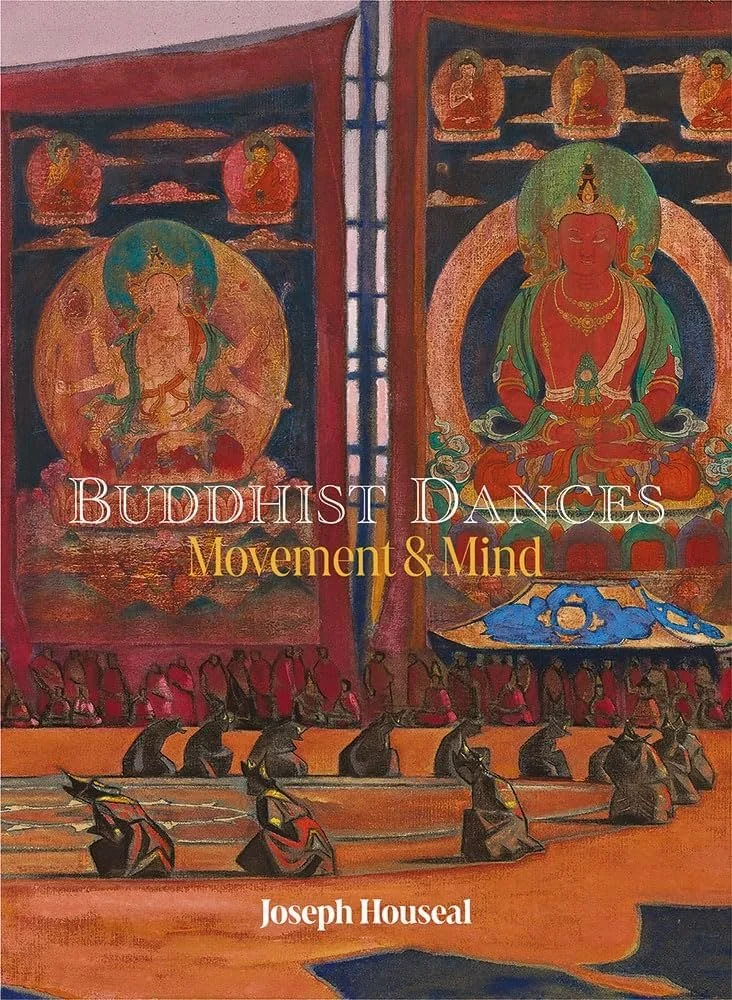
Buddhist Dances: Movement & Mind is a pioneering exploration of sacred dance as a living expression of Buddhist philosophy, meditation, and ritual. Drawing on decades of fieldwork across Asia—from remote Himalayan monasteries to urban temples in Japan and Sri Lanka—Joseph Houseal brings to light a profound but often overlooked dimension of Buddhist practice: dance and movement.
This richly illustrated volume documents rare and endangered Buddhist dance traditions in ten countries, including Japan, Bhutan, India, Nepal, China, Tibet, Mongolia, Sri Lanka, England, and the United States. Through skillful ethnography, documentation, interviews with lineage holders, and firsthand observation, Houseal shows how Buddhist dances are not merely performances, but embodied teachings that transmit memory, myth, and mind-training across generations. The final chapters turn westward, featuring the work of Antony Tudor in Ballet, and Merce Cunningham in Modern Dance.
At once rigorous scholarship, cultural preservation, and personal journey, Buddhist Dances combines trained observation with vivid storytelling. It reveals how movement bridges the visible and the invisible, the ritual and the aesthetic, the ancient and the contemporary.
With more than 250 original color images—many published for the first time—this book is both a visual record and a heartfelt tribute to the vitality of Buddhist movement traditions.
Perfect for readers interested in Buddhist studies, Asian performing arts, anthropology, and the meditative dimensions of movement, this groundbreaking work affirms dance as a profound expression of the human spirit.

Having a copy of Buddhist Dances, Movement & Mind is highly recommended and will enrich the experience of the course. The book is a separate purchase and is not included in the course fee.
Students receive a 40% discount when purchasing the book from its publisher, Motilal Banarsidass, using the code MLBD40.
Purchasing the book is not required, however. Each week, students will receive selected excerpts from the book corresponding to that week’s class, so that everyone has access to the relevant reading and can participate fully.
From Rebecca Wong’s review of Buddhist Dances, Movement & Mind:
“Movement and Mind is far more than an academic survey; it is a recovered atlas of kinetic wisdom and a poignant record of endangered traditions.”
“What if dance could be a sophisticated technology of consciousness, a moving meditation, a sacred vessel for enacting enlightenment itself?”
JOSEPH HOUSEAL
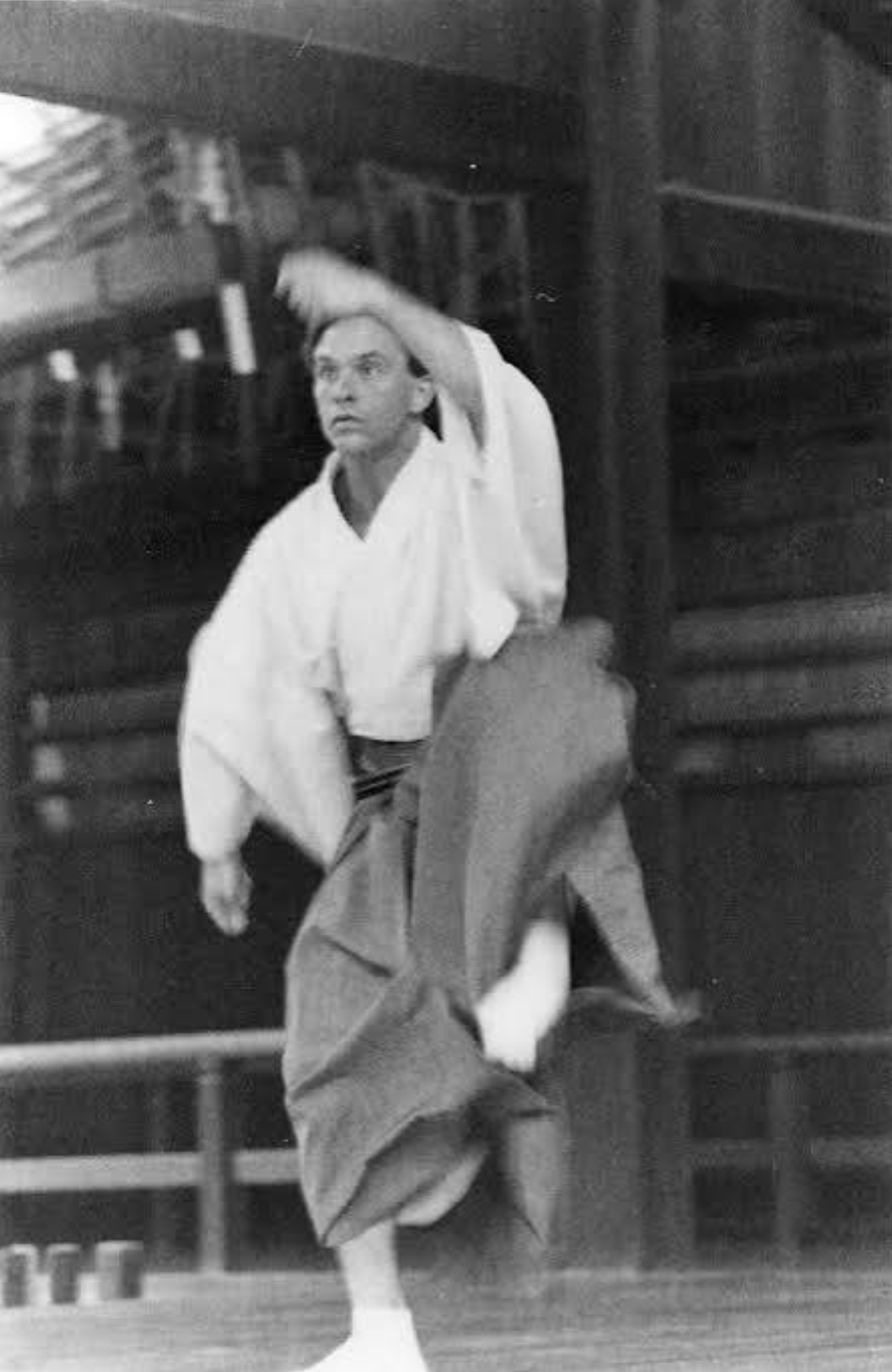
Joseph Houseal is the founder and director of Core of Culture, a 25-year-old organization dedicated to the continuity of ancient dances, and movement traditions in the healing, meditation, and martial arts. A contributor to Ballet Review, in New York, for 34 years. Houseal writes a monthly column, Ancient Dances, for the online journal Buddhistdoor Global, now for more than 10 years.
After a long and successful career performing, choreographing and directing throughout the world, Houseal is now internationally recognized as a leading expert in ancient dance, movement theory, and cultural preservation. Scholars, museums, monasteries, and academic institutions worldwide seek his expertise specifically regarding endangered dance lineages and sacred ritual performance. His fieldwork has earned prestigious accolades, such as the Conde Nast Global Vision Award for Cultural Preservation, the Banff Mountain Culture Award, and a Best Practices citation from the Dance Heritage Coalition.
Houseal is the author of the recently published pioneering book, Buddhist Dances: Movement & Mind. (Motilal Banarsidass, 2025)
GUEST EXPERTS